About our school
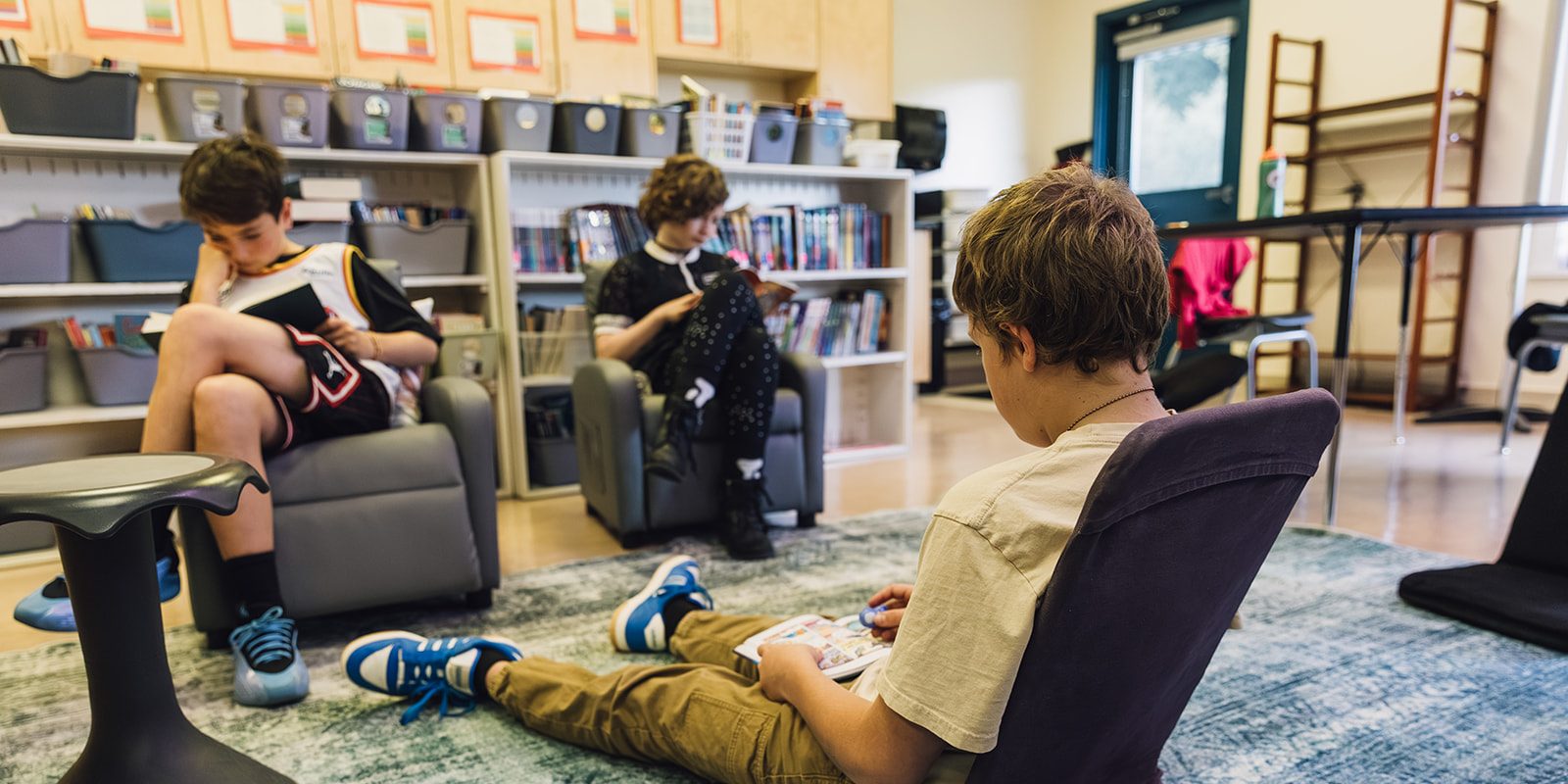
Captain Meares Elementary Secondary School is a K–12 school in the remote coastal community of Tahsis, on the traditional, ancestral, and unceded territory of the Mowachaht/Muchalaht First Nation. We serve approximately 35 students from Kindergarten through Grade 12 across three multi-grade divisions. CMESS is a place where every student is known, where learning is relational and inclusive by design, and where our community is an active partner in the education of our children.
For a small school, CMESS offers a full and active student life. Our students take part in:
One of the great advantages of learning on the edge of Canada: CMESS students in Grades 10–12 can take part in the School District’s board-certified Nootka Sound Outdoor Program. Offered on weekends and holidays outside the regular timetable, NSOP lets students choose wilderness activities that interest them, at their own comfort level, while earning credits toward graduation, dual-credit college credits, and industry certifications.
All-season pursuits include:
Surfing
Caving
Rock climbing
Expedition canoeing & kayaking
Wilderness camping
Skiing & snowshoeing
Avalanche & wilderness first aid training
Stewardship projects
Dual-credit options let students earn college credits toward North Island College’s Coastal Adventure Tourism program.
Before setting new goals, we looked back at what our previous School Plan achieved. Our focus on foundational literacy produced strong, encouraging growth — students made significant gains in reading and writing, moving markedly closer to grade-level proficiency across the school, and reading results in particular exceeded our goal. These are meaningful results for our learners, and they give us a solid foundation to build on.
Each year we set goals through our School Growth Plan, developed with students, families, staff, and our community. For the year ahead, we are focusing on three goals: